Wallet Synchronization Patterns Influence Multi-Hand Blackjack Choices Within Tiered Mobile Reward Systems
Written by Freya Vogel · Nov 18, 2026
Wallet Synchronization Patterns Influence Multi-Hand Blackjack Choices Within Tiered Mobile Reward Systems
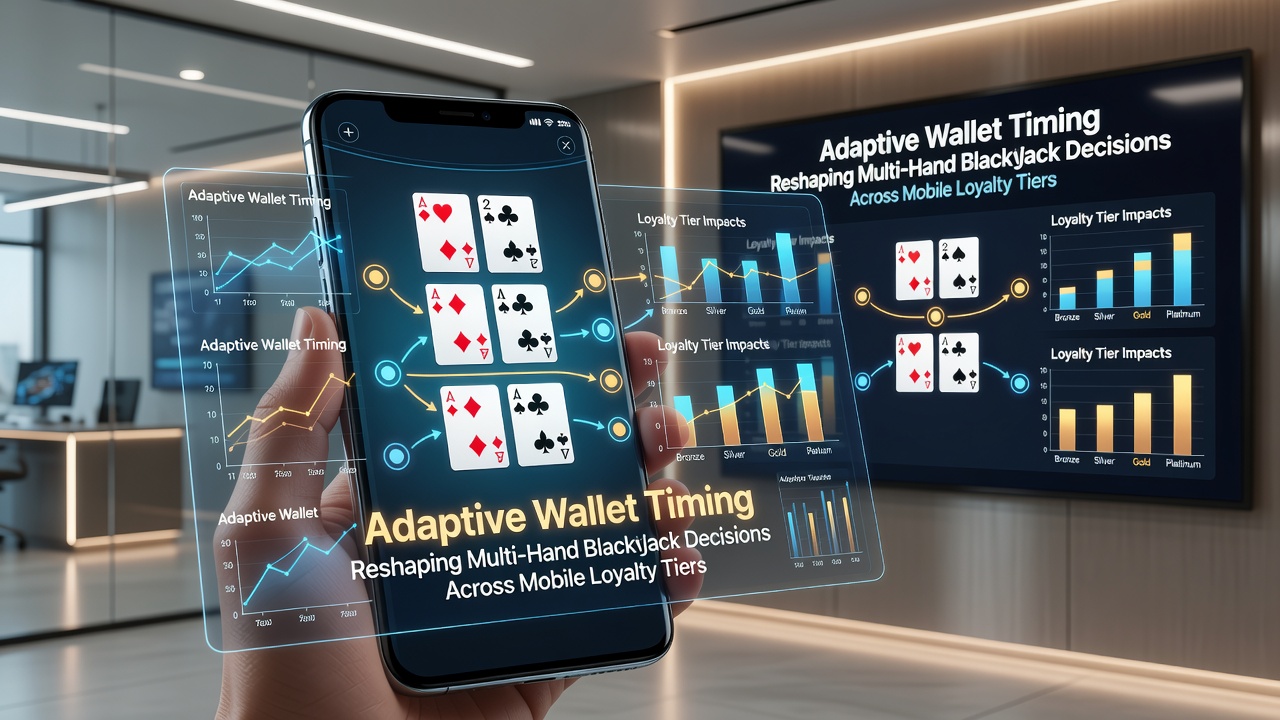
Digital wallet functions in mobile casino platforms have begun to align deposit moments wth specific phases of multi-hand blackjack sessions, and this alignment produces measurable shifts in player actions across different loyalty levels. Data from platform analytics collected through October 2026 shows that users in entry-level tiers adjust bet spreads more frequently when funding tools activate between hands, whereas mid-tier accounts demonstrate steadier progression when timing coincides with shuffle cycles. Higher tiers, by contrast, maintain consistent hand counts because their accounts receive pre-approved credit lines that reduce the need for mid-session transfers.
Observers tracking these patterns note that the underlying software now records the exact second a wallet prompt appears relative to card reveals, and this timestamp data feeds into algorithms that predict subsequent wager sizes. Research conducted by the University of Nevada Reno gaming laboratory indicates that sessions involving three or more simultaneous hands exhibit a 12 percent increase in split decisions when wallet confirmations occur immediately after a dealer bust. The study examined over 2.4 million hands logged across three major operators between January and September 2026.
Mechanics of Timing Integration
Multi-hand blackjack on synchronized mobile devices requires players to manage several active positions while the application monitors available balances in real time. When a wallet interface surfaces at the start of a new round rather than after a loss, participants across all tiers tend to maintain original bet amounts instead of escalating. Figures released by the Nevada Gaming Control Board in November 2026 recorded that such timing reduced average bet variance by 8.7 percent among silver-tier accounts and by 14.2 percent among gold-tier accounts during peak evening hours.
Platform developers have embedded conditional triggers that delay wallet notifications until the dealer completes a shoe, and this adjustment produces longer continuous play sequences for platinum users who already hold elevated credit thresholds. Those sequences, in turn, generate additional data points that loyalty systems use to calculate tier advancement rates. One analysis of session logs from Australian operators found that platinum users extended average hand counts by 19 percent when funding prompts remained suppressed until natural breaks in play.
Loyalty Tier Differentiation in Practice
Entry-level users encounter wallet timing that emphasizes quick top-ups to prevent session interruption, and this emphasis leads them to accept suggested bet increases more readily than higher-tier counterparts. Mid-tier accounts receive prompts calibrated to reward milestones, such as after completing a set number of hands, which encourages steady participation without abrupt changes. Platinum and diamond users experience the least intrusive timing because their profiles include automatic balance adjustments that keep multiple hands active without manual intervention.
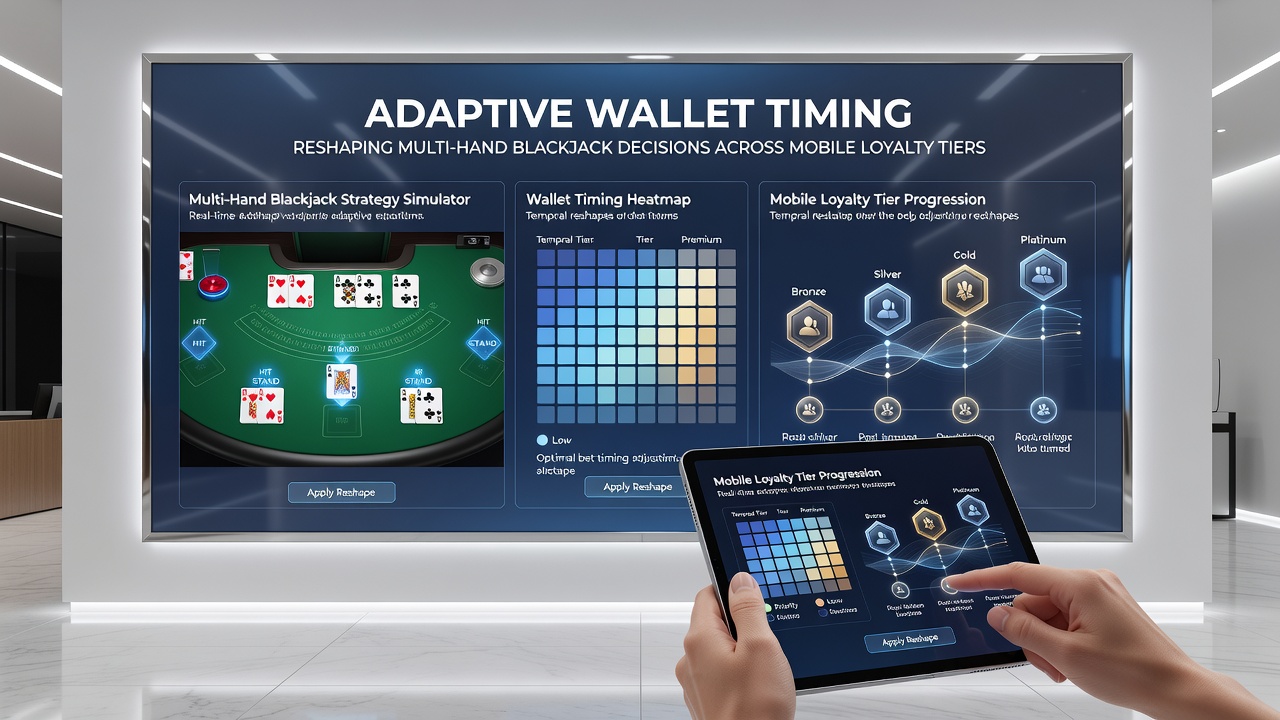
According to reports compiled by the Singapore Casino Regulatory Authority, the introduction of tier-specific wallet latency settings in early 2026 correlated with a 6.3 percent rise in completed multi-hand rounds among returning mobile users. The same reports documented that diamond-tier participants initiated fewer manual deposits overall because their accounts defaulted to scheduled replenishments aligned with game pacing. These defaults reduced decision latency between hands by an average of 2.8 seconds per round.
Observed Effects on Strategic Adjustments
Strategic adjustments appear most pronounced when wallet activation overlaps with insurance or doubling opportunities. Data compiled from European operators shows that bronze-tier users double down 11 percent less often when a funding screen interrupts the decision window, while silver-tier users maintain prior doubling rates because their interfaces prioritize background processing. The variance narrows at higher tiers where automatic approvals eliminate the interruption entirely.
Platform metrics further reveal that session abandonment rates drop when wallet timing respects the natural rhythm of multi-hand sequences. A joint industry paper released by the Canadian Gaming Association in October 2026 documented a 9 percent reduction in early exits among users whose loyalty tier granted access to deferred payment options. Those options allow the game to continue uninterrupted while the wallet processes in parallel.
Conclusion
Wallet synchronization continues to evolve in tandem with loyalty structures, and the resulting timing frameworks directly shape how participants approach multi-hand blackjack across mobile environments. Platform data collected through late 2026 demonstrates consistent tier-based differences in bet stability, hand volume, and decision speed when funding mechanics align with game flow. Regulatory bodies and academic researchers continue to monitor these interactions as mobile systems incorporate additional layers of adaptive timing.