Instant Funding Pathways and Their Role in Shaping Tiered Access Within Mobile Slot and Table Game Platforms
Written by David Bauer · Oct 21, 2026

Instant Funding Pathways and Their Role in Shaping Tiered Access Within Mobile Slot and Table Game Platforms
Platforms that deliver slots and live table games to handheld devices have developed systems where immediate funding options connect directly to multi-level access structures, allowing users to unlock features based on deposit speed and frequency. These connections appear in how operators structure entry points, bonus eligibility, and game availability across loyalty stages, with data from regulatory filings showing steady growth in such integrations through 2026.
Mechanics of Instant Funding in Mobile Gaming Networks
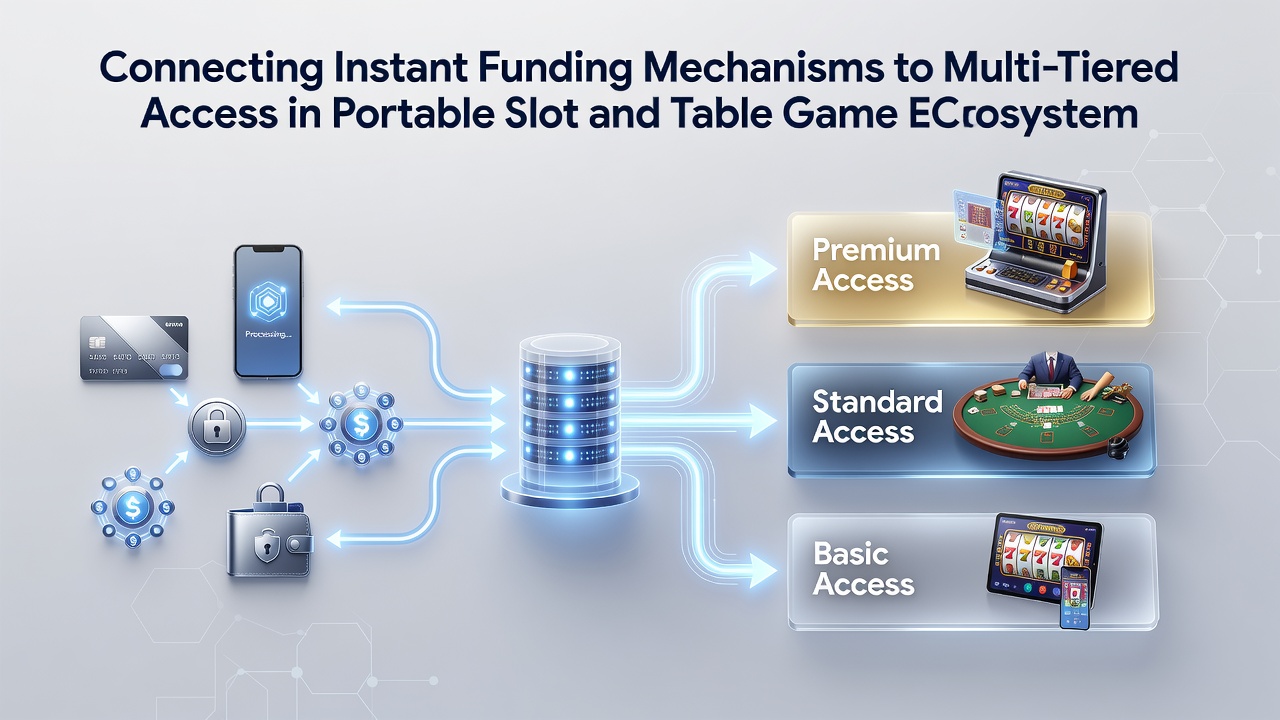
Instant funding mechanisms rely on technologies such as real-time bank transfers, digital wallets, and prepaid cards that process deposits within seconds on portable devices. Operators integrate these tools so that transaction confirmation triggers automatic updates to player profiles, shifting access rights without manual intervention. Research from industry reports indicates that in October 2026, mobile sessions accounted for over 65 percent of total gaming activity in regulated markets, with instant methods comprising the majority of funding events in tiered programs.
Systems track deposit velocity and amount to determine progression between access layers. Lower tiers often require standard processing times, while elevated levels grant priority routing for faster approvals and expanded game libraries. This setup creates measurable pathways where each completed instant transaction contributes points toward status elevation in both slot libraries and synchronized table sessions.
Multi-Tiered Access Structures for Slots and Tables
Multi-tiered access divides users into progressive categories that control entry to specific features, such as exclusive slot titles with higher volatility settings or live dealer tables with reduced minimum bets. Data compiled by gaming associations shows that operators in North American and European jurisdictions apply similar frameworks, where instant funding accelerates movement between these categories. For instance, reaching mid-tier status might unlock additional reel configurations or multi-hand options on mobile blackjack interfaces.
Those who study platform analytics note that table game access frequently ties to funding consistency, with higher tiers providing synchronized device features like real-time dealer chat or custom betting sequences. Slot ecosystems follow parallel patterns, where instant deposits correlate with early access to new releases and volatility filters that align with loyalty progression.
Integration Patterns Across Portable Ecosystems
Integration occurs through backend APIs that link payment processors to loyalty engines, updating tier status immediately upon transaction success. Observers note that this linkage allows operators to adjust access dynamically, such as granting temporary table game privileges after a qualifying instant deposit. Figures from the Australian Communications and Media Authority reveal that mobile gaming platforms using these connections saw a 22 percent increase in cross-tier activity between 2025 and 2026.
Examples include programs where wallet-based instant funding awards tier points that unlock synchronized features across slot and table environments on the same device. One documented case involved platforms in regulated Canadian provinces where instant methods reduced average time to mid-tier status by several days compared to traditional transfers. These patterns hold across different regions because the underlying technology standardizes the connection between funding speed and privilege escalation.
Regulatory and Operational Considerations
Regulatory bodies in multiple jurisdictions require clear documentation of how instant funding influences tiered access to prevent unfair advantage claims. The Pennsylvania Gaming Control Board, for example, mandates transparency reports that detail the relationship between transaction methods and loyalty progression in mobile offerings. Similar requirements appear in frameworks managed by authorities in New Jersey and select European markets, where operators must demonstrate that access changes remain consistent regardless of funding source.
Operational data further shows that platforms maintain audit logs linking each instant transaction to subsequent access modifications. This practice supports compliance while enabling features such as tier-specific table limits or slot bonus rounds that activate only after verified funding events. As of October 2026, several operators reported expanded use of these logs to refine tier thresholds without altering core game mathematics.
Conclusion
Connections between instant funding mechanisms and multi-tiered access continue to define mobile slot and table game ecosystems through standardized technical linkages and regulatory oversight. Evidence from industry filings and government data sources demonstrates that these systems operate by mapping transaction speed directly to privilege levels, creating structured pathways for users across portable platforms. Continued monitoring by regional authorities ensures that such integrations remain transparent and aligned with established gaming standards.